Can You SEA Us? Southeast Asia’s Visibility in Global Game Development
Gamescom asia is the annual event that sees game dev teams and professionals from all corners of the world interested in seeing and understanding “the heart of gaming in Asia.”
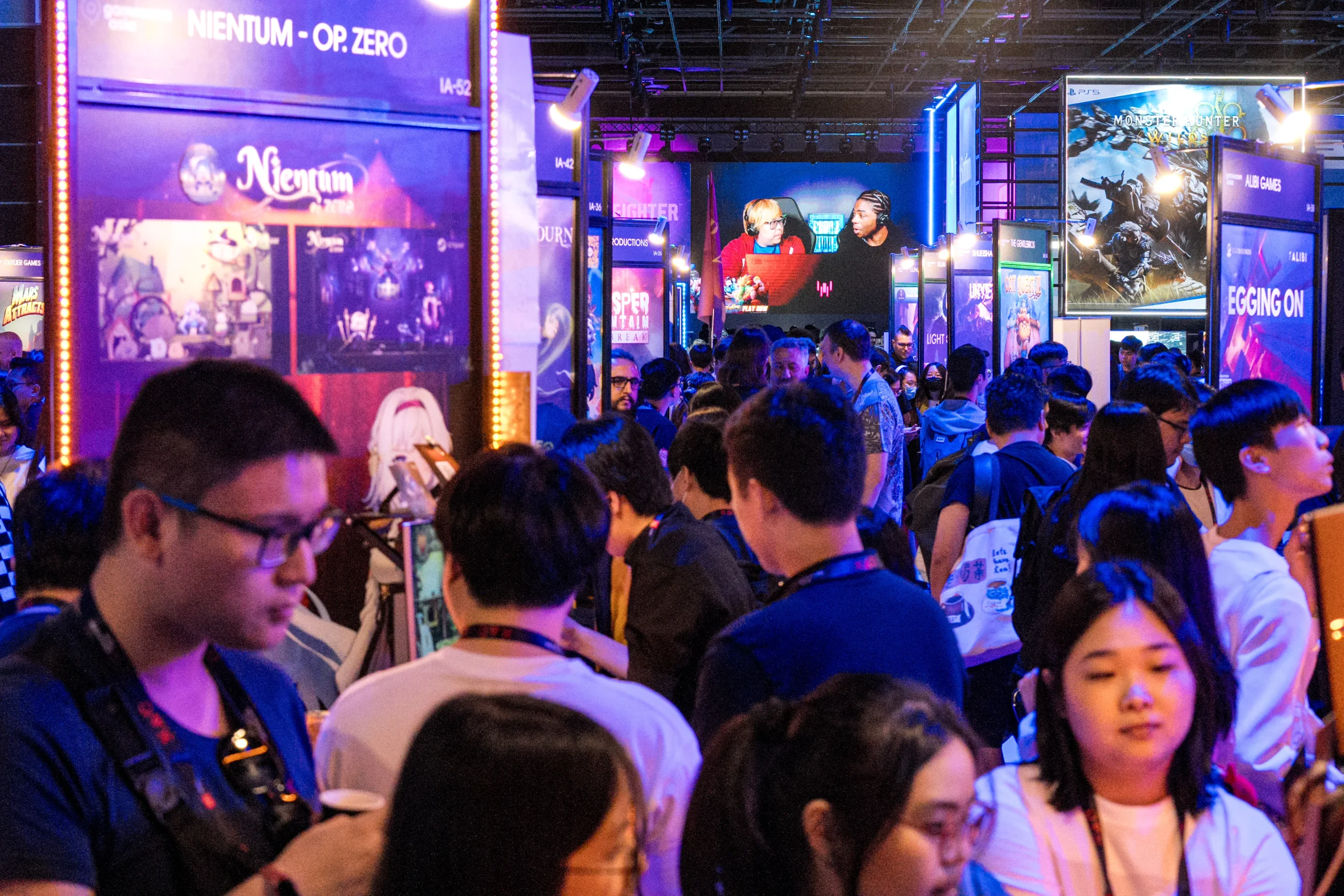
Situated in Singapore, the main business and financial hub in the Southeast Asian region, gamescom asia saw all kinds of visitors for both the Business and Entertainment Zone and witnessed the growth of the games industry in the area.
This year, the Southeast Asian game dev scene continues to grow from strength to strength. The Business Zone featured a Thai and Philippine delegation. The Indie Wavemakers showcase featured 18 Southeast Asian developers from Singapore and Indonesia.
What are the avenues that Southeast Asian games have been taking to stake their claim in the global game development discussion? We look at what we learned at gamescom Asia – the Southeast Asian region’s biggest gaming industry event.
Games as a Primary Source of History and Culture
While various real-life cultures have been portrayed in games since the medium’s inception, the authenticity of these depictions has always been questioned.
Because games made by native developers are produced with lived experience, they provide authentic stories and perspectives. Zainuddeen Fahadh of Ogre Head Studio shares how they use culture not just in their storytelling but also in their game mechanics.
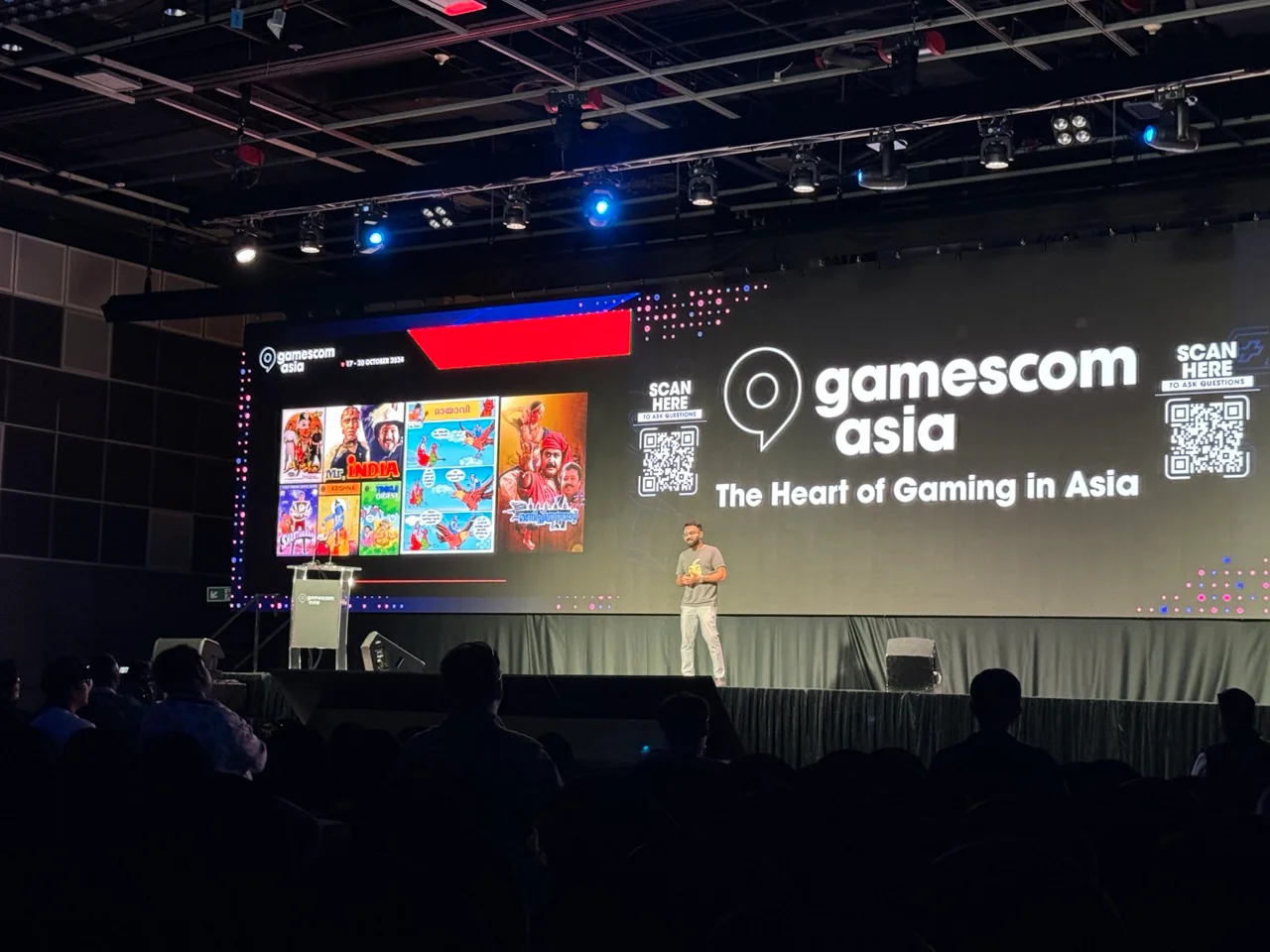
Stemming from his multicultural experience and enjoyment of gaming, which exploded in popular culture in the 90s, Zain was inspired by Hindu mythology and Indian pop culture to develop Asura. They relate the leveling-up mechanic to the concept of the birth chart, and their randomly generated chambers were inspired by the layered Bekal Fort of Kerala.
While titles such as Toge Production/Mojiken Studios’ A Space for the Unbound and Polychroma Games’ Until Then have delivered modern, relatable narratives. Upcoming games like Twilight Foundry’s Kooeh and Kopiforge’s Sedap lean into culinary culture and history. Rare Reversee’s The Scourge and Storytale’s Pamali series take local urban legends and horror icons to deliver stories about the past into the future.
Coverage in Media Channels
Getting coverage from international media platforms helps legitimize game developers and their projects, expanding the discussion to a global scale.
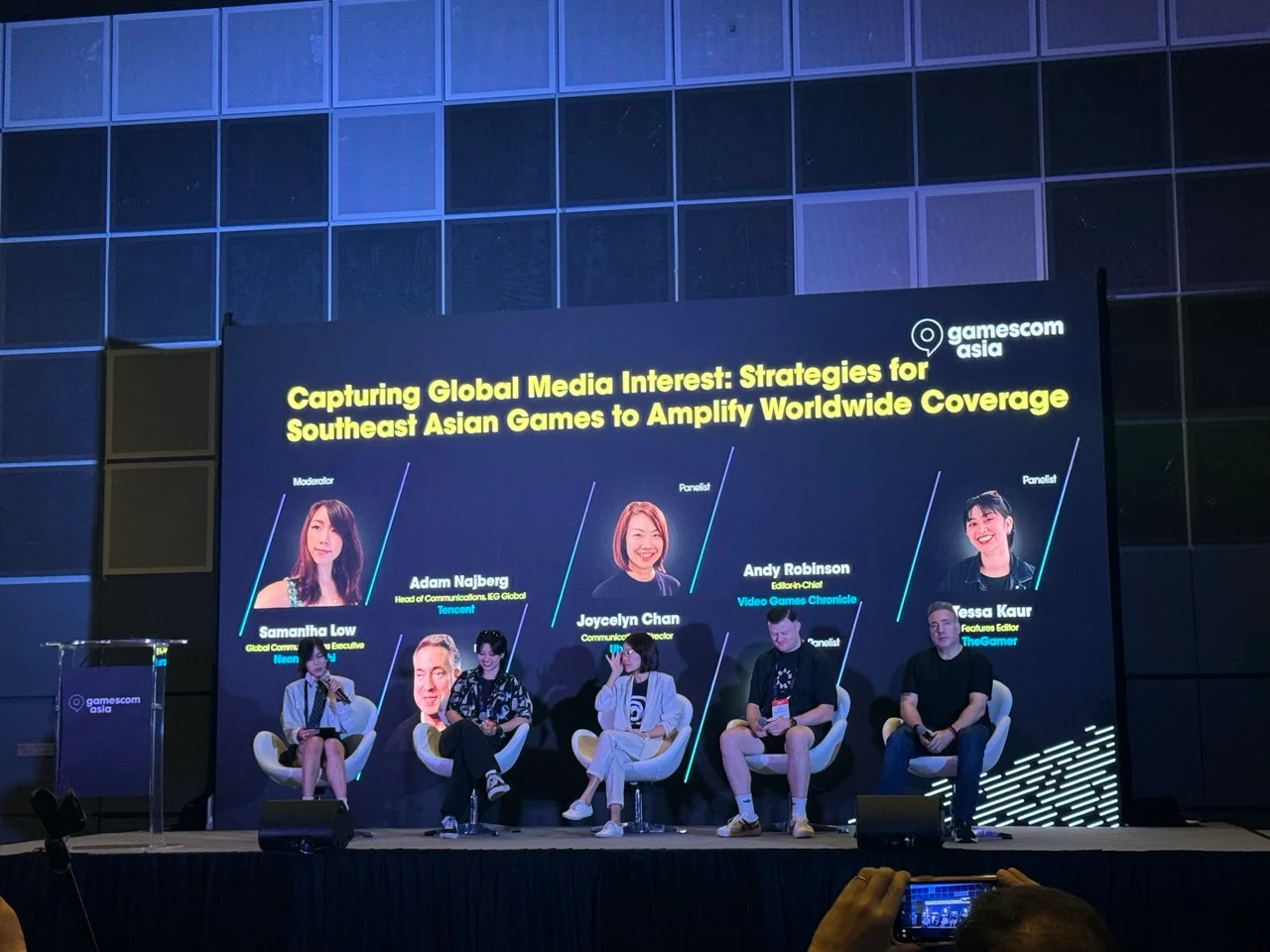
In a panel discussion regarding the Southeast Asian Games in Indie, it was noted that media outlets have now made a conscious effort to handle indie coverage from underrepresented regions. The awareness that the region is releasing unique takes on well-known genres helps great, high-potential games for a global market get the chance to be known to the followers of these games’ news portals and reviewers.
The relationship between developers and media is of utmost importance, and developers must know how to angle their stories to capture attention in a crowded market. They must be unique and exciting to the media and the modern gaming audience but remain authentic to their project.
Investment in Talent
The Southeast Asian region is well-known as a hub for various outsourcing companies in the games industry. Through years of building skills and expertise working to support massive triple-A titles, creative and technical talent and production knowledge have grown in various countries in the region, attracting the attention of large players in the games industry.
One such global presence investing in Southeast Asia is the Singapore-headquartered game development company Virtuos. Aside from their head office, they also manage Vietnam’s largest external game development operation. Their co-development services provide large game developers and publishers access to diverse talent. In turn, this leads to a growth of experience with the top IPs of the global market in a region needing more experts and leaders.
Virtuos continues to believe in local talent, for example, expanding its art production capabilities in the Glass Egg office in Dalat, Vietnam, in March 2023. As the company continues to grow its capabilities in game development through new ventures like VFX, the Southeast Asian games industry is an important regional partner.
Empowerment from Industry Leaders
The games industry is dominated by billionaire giants with the influence, power, and money to shape their tastes and trends. While independent visionaries have shaken up the gaming world, they tend to be lightning-in-a-bottle opportunities favored by luck and connections. Thankfully, platforms and developers have taken an interest in the region, giving opportunities to get mentorship, funding, and other support for their high-potential projects that need to succeed.
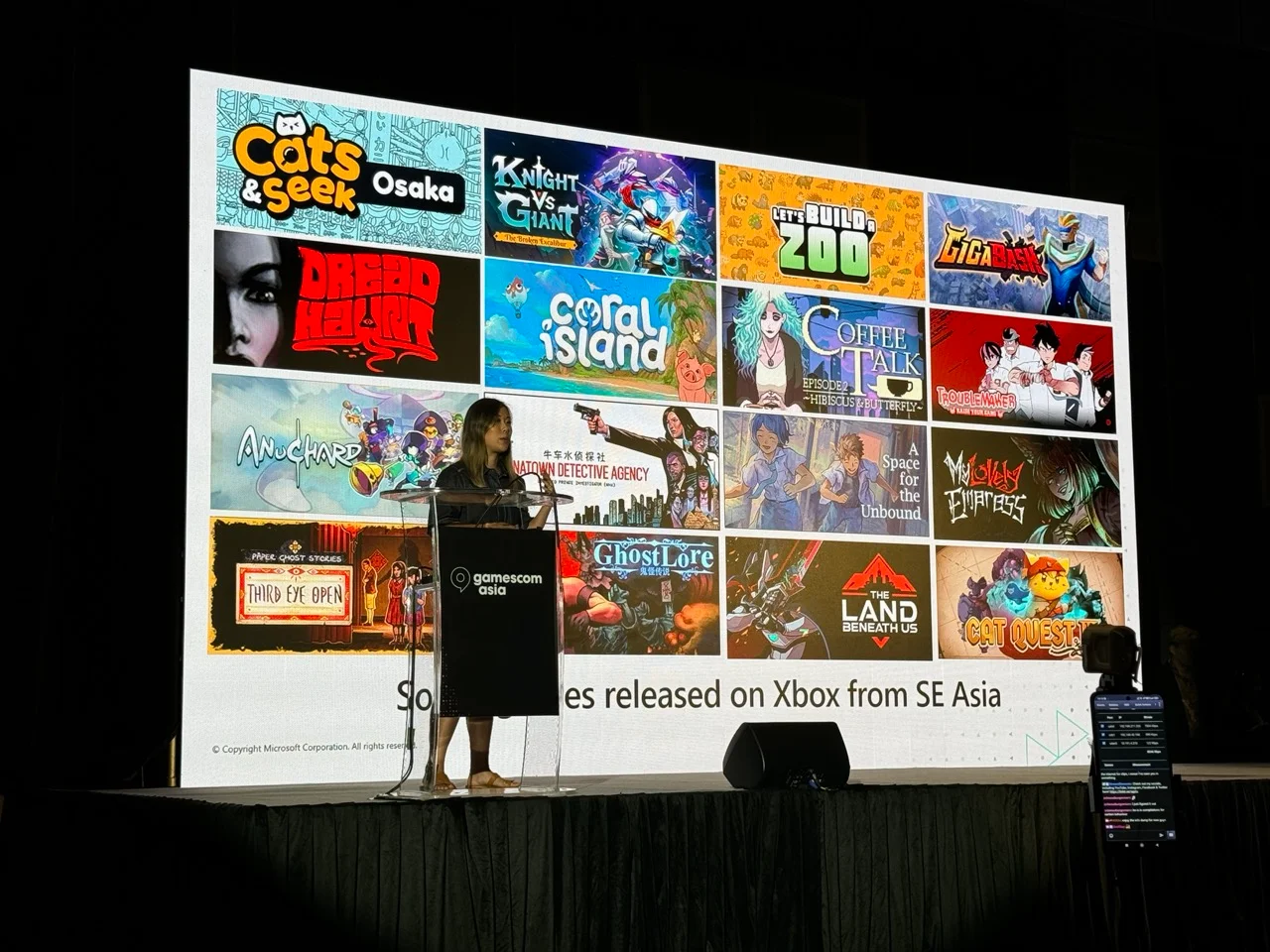
Agnes Kim, the director of Global Expansion at Xbox, opened her talk about their global expansion activity in the Southeast Asian region for the past 3 years. Since they began, the Xbox platform has become a home to several titles by Southeast Asian developers, and their regional programs continue to develop and grow strong.
In the same event, they presented a sizzle reel featuring games made in Southeast Asia.
As a gamer or game professional, what do you think about the growth of the Southeast Asian games industry?